









Master the Odds with the Best Casino Games for Real Wins


Most Casino games are engineered with a built-in house edge, ensuring the casino always wins over time. Players wager real money on outcomes determined by chance, such as the spin of a roulette wheel or the draw of a card. The thrill of instantaneous risk and reward is the core benefit, offering a condensed burst of high-stakes excitement that no other game can match.
How Slot Machines Determine Your Odds
Slot machines determine your odds through a Random Number Generator (RNG) that continuously cycles through thousands of number sequences per second. When you press spin, the RNG stops at a specific number, which maps to a set of symbols on the virtual reel. The probability of landing each symbol is programmed via the machine’s “hit frequency” and “pay table,” which define how often winning combinations appear and their payout values. The house edge is mathematically built into this structure, ensuring the casino profits over time. This means your odds are fixed per spin and cannot be predicted or influenced. Q: Do slot machines adjust odds based on previous spins? A: No, each spin is an independent event due to the RNG, so past results have no effect on future outcomes.
Understanding Random Number Generators in Slot Play
Understanding Random Number Generators (RNGs) is key to slot play, as this chip constantly cycles through thousands of numbers per second, determining every spin’s outcome the moment you hit “spin”. The RNG ensures each result is independent, meaning past spins have zero influence on future ones—a concept known as independent spin probability. This process operates silently inside the machine, using complex algorithms to produce truly random sequences that mimic a standard deck shuffle. Q: How does an RNG guarantee a fair result? A: It runs nonstop, generating infinite number streams; your timing on the spin button grabs a snapshot of that chaos, locking in a predetermined but unpredictable outcome. No patterns exist to exploit, keeping every session unique and chance-driven.
What Return-to-Player Percentages Really Mean for You
Return-to-Player percentages are your practical guide to long-term slot value. A 96% RTP means that for every $100 wagered, the machine is mathematically designed to pay back $96 over countless spins, though your individual session can wildly vary. This figure directly shapes your bankroll’s staying power; higher RTP slots like 98% give you more playtime per dollar, while lower ones drain faster. Your choice of RTP percentage is the single most influential factor you control for managing risk. Always check the game’s information screen—it tells you the theoretical return before you spin, allowing you to avoid games with puny payback rates that accelerate losses.
Identifying High Volatility vs. Low Volatility Slots
Volatility determines the risk-reward profile of a slot. High volatility slots deliver infrequent but larger payouts, often tied to bonus features or stacked symbols; you must endure long dry spells. Low volatility slots provide frequent, small wins that extend playtime but rarely yield massive multipliers. To identify them, check the paytable for maximum win potential or the game’s variance indicator in settings. A slot offering a 5,000x max win suggests high volatility, while one with consistent 10x payouts is low volatility. For practical choice, match volatility to your bankroll strategy—high for chasing jackpots, low for longevity.

| High Volatility | Low Volatility |
|---|---|
| Infrequent, large payouts | Frequent, small payouts |
| Long dry spells between wins | Steady, low-risk play |
| High maximum win potential | Limited maximum win |
Strategies for Beating the Blackjack Table

To beat the blackjack table, you must master basic strategy—a mathematically optimal chart dictating hit, stand, double, or split for every hand against the dealer’s upcard. This reduces the house edge to under 0.5%. For a true advantage, learn card counting, which tracks the ratio of high to low cards remaining. Bet more when the count is positive, indicating a surplus of tens and aces, to capitalize on increased blackjack and dealer bust probabilities. Always maintain flawless basic strategy execution, as errors negate any counting edge. Remember that even perfect play does not guarantee a win on any single session, only a mathematical long-term edge over the casino. Avoid side bets and deviate from basic strategy only with a proven index for your count—otherwise, the house wins.
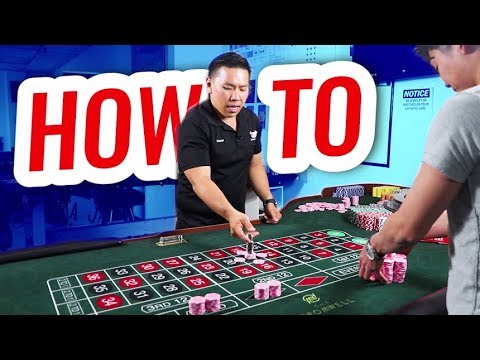
Using Basic Strategy Charts to Minimize the House Edge
To tilt the odds in your favor, mastering basic strategy charts for blackjack is the first critical step. These charts dictate the mathematically optimal move—hit, stand, double, or split—for every possible hand against the dealer’s upcard. By rigidly following them, you slash the house edge from over 2% down to under 0.5%, transforming a game of luck into a precise, skill-based challenge. This removes guesswork and emotional decisions, ensuring your bets ride on proven probability rather than gut instinct.
- Memorize a single chart for a standard 6-deck game with the dealer https://moreniche.com standing on soft 17.
- Always split Aces and Eights, but never split Fives or Tens.
- Double down on 11 when the dealer shows a 2 through 10 for maximum value.
- Surrender hard 16 against a dealer’s 9, 10, or Ace to cut losses.
When to Hit, Stand, Split, or Double Down
Mastering blackjack betting strategy hinges on rigid chart-based decisions for hitting, standing, splitting, and doubling down. Always hit on a hand total of 11 or less, and stand on any hard 17 or higher unless the dealer shows a 7 or better—then consider hitting on a soft 18. Split aces and eights without hesitation, but never split tens or fives. Double down exclusively when you hold a hard 11 versus a dealer’s low upcard of 6 or less. Doubling on a soft 13 through 17 against a dealer’s 5 or 6 can yield surprising long-term gains. Stick to these fixed plays to strip the house of its advantage during critical hands.

Card Counting Fundamentals for Blackjack Players

Card counting fundamentals for blackjack players hinge on tracking the ratio of high to low cards remaining in the shoe. By assigning a running count (+1 for low cards, -1 for face cards and aces), you gauge when the deck is rich in tens and aces, shifting the odds in your favor. This knowledge enables you to increase bets during favorable counts and alter basic strategy decisions. It’s a skill of maintaining a true count by dividing the running count by the estimated decks left, ensuring your advantage play remains precise and effective.
Card counting turns the blackjack table’s mathematical edge on its head by using a simple high-low system to track card composition, allowing players to bet and play more aggressively when the odds swing their way.
Mastering Roulette Betting Systems
Mastering roulette betting systems requires a clear-eyed understanding that no pattern can overcome the house edge, yet strategic approaches like the Martingale or Fibonacci can structure your play for short-term sessions. The key is bankroll management, not magical wins, as each spin remains an independent event on the wheel. Progressive systems double bets after losses, risking large sums for small gains—a dangerous thrill if unchecked. Flat betting preserves your stack longer, letting pure luck decide more turns per hour. True mastery lies in knowing when the system’s logic ends and the casino’s advantage begins. Focus on table limits and personal loss caps to avoid a catastrophic single streak.

Comparing Inside Bets vs. Outside Bets for Risk Control
When comparing inside bets vs. outside bets for risk control, the core difference is survival versus thrill. Outside bets, like red/black or odd/even, give you nearly 50% odds, making them the go-to for sustainable bankroll management. Inside bets on single numbers offer huge payouts but have high risk. To control your session, follow this sequence:
- Start with outside bets to establish a stable baseline.
- Allocate only a small portion of your bankroll for inside bets.
- Switch back to outside bets after any loss to curb volatility.
This keeps your risks predictable while still allowing for occasional high-reward plays.
How the Martingale System Works on Red and Black
The Martingale System on red and black requires you to double your bet after every loss, aiming to recover all previous losses with a single win. You start by betting a small unit on either red or black. If you lose, you double the bet on the same color. After a win, you revert to the original unit. The core risk-reward tradeoff lies in the exponential growth of stakes. The sequence is:
- Place a base bet on red or black.
- After a loss, double the previous wager on the same color.
- After a win, reset to the base bet.
A key limitation is the table’s maximum bet, which will cap the doubling chain. A prolonged losing streak can quickly exhaust your bankroll, as a single consecutive loss run of just 7-10 spins produces very large required bets.

Setting Win and Loss Limits at the Roulette Wheel
Setting win and loss limits at the roulette wheel is a critical component of session management, ensuring you lock in profits or stop a losing streak. Before spinning, define a stop-loss threshold, typically 20–30% of your bankroll—once hit, you walk away. Equally vital is a win goal; cashing out after a 15–20% net gain prevents the house edge from eroding your success. Discipline dictates all limit enforcement, as emotion can override logic during streaks. Q: How do you enforce a loss limit without skipping a session? A: Use a physical timer or alarm; when the limit triggers, leave the table immediately regardless of the next spin’s outcome.
Choosing Games with the Best Player Value
When choosing games with the best player value in a casino, prioritize titles with the lowest house edge. Blackjack, using basic strategy, typically offers an edge under 0.5%, while baccarat bets on the banker carry a 1.06% house advantage. Avoid high-variance slots with huge jackpots but abysmal return-to-player percentages; instead, seek video poker variants like Jacks or Better, which can return over 99% with optimal play. The key is to always verify the published RTP for each machine before playing, as a single percentage point difference can significantly impact long-term value. For table games, opt for those with favorable rules, such as single-zero roulette over double-zero, to maximize your expected return per wager.
Finding Table Games with the Lowest House Edge
To maximize your bankroll, prioritize games with the lowest house edge like blackjack or baccarat. Blackjack offers a sub-1% edge with basic strategy, while baccarat’s banker bet sits around 1.06%. Always check table rules—single-zero roulette (2.7%) crushes double-zero (5.26%), and craps pass line bets (1.41%) beat side wagers. Avoid novelty variants with inflated odds.
What is the single best table game for a low house edge? Blackjack with favorable rules (3:2 blackjack payout and dealer stands on soft 17) drops the edge below 0.5%, making it the sharpest choice.
Evaluating Video Poker Paytables for Maximum Returns
To maximize returns in video poker, the primary focus is on evaluating paytables for maximum returns by comparing the payout odds for key hands like the full house and flush. A “full-pay” machine offers a 9/6 payout (9 coins for a full house, 6 for a flush), yielding over 99% theoretical return with optimal strategy. Lower paytables, such as 8/6 or 7/5, drastically reduce player value. Always check the specific pay schedule before playing, as a single unit reduction on these hands can drop the return below 98%. Prioritizing full-pay variants in Jacks or Better or Bonus Poker is the most direct method for securing the highest sustainable edge.
Why Baccarat Offers Some of the Best Odds in the House
Baccarat’s low house edge on the banker bet (1.06%) places it among the top choices for player value in any casino. Unlike slots or roulette, where the margin can exceed 5%, baccarat requires no skill—yet delivers consistently favorable odds for strategic bettors. The player bet carries a slightly higher 1.24% house edge, but both options outperform most table games. This stems from the fixed drawing rules that limit the casino’s advantage, making baccarat a pure probability play where disciplined banker wagering maximizes long-term returns.
Baccarat offers some of the best odds in the house because its banker bet’s 1.06% house edge is among the lowest in any casino game.
Essential Bankroll Management for All Games
Before you spin or deal, set a strict loss limit that represents a sum you can lose without distress, and divide this bankroll into session-sized portions, such as 5% per visit. This prevents a single tilt from blowing your entire budget. For games with high volatility like slots or craps, smaller bets relative to your total bankroll are non-negotiable to ride out dry spells. It’s the quiet discipline to walk away while you’re ahead, not the adrenaline of chasing a loss, that truly protects your bankroll long-term. Always bet a consistent, small percentage of your current bankroll per wager, adapting only to the game’s minimums, not to your emotions.
Setting a Session Budget Based on Game Volatility
Game volatility dictates how your session budget behaves. For high-volatility slots, where wins are infrequent but large, set a budget for multiple short bursts, accepting dry spells. Low-volatility games, with steady small payouts, allow extended play on a smaller budget. Your session budget must directly match the game’s risk profile to avoid busting early. Matching your session budget to game volatility ensures you last through inevitable variance.
Q: How do I adjust my session budget for a volatile game?
A: For high volatility, cap your session budget at 20–30 bets of your standard unit, forcing logical exit points. For low volatility, you can stretch that budget to 100+ bets, as smaller wins replenish your stack.
Using Stop-Loss and Win-Goal Rules to Protect Your Money
Stop-loss and win-goal rules transform your session from a gamble into a calculated exercise. Set a hard loss limit—say, 20% of your bankroll—and leave the moment you hit it; this prevents a bad streak from ruining your day. Equally crucial, define a realistic win goal, such as 30% profit, and walk away immediately upon reaching it. Chasing more often reverses your gains. This discipline locks in protecting your casino bankroll from emotional decisions. Without these thresholds, you are just hoping, not managing.
Stop-loss caps your damage; win-goal secures your profit. Together, they form the essential guardrails that keep your bankroll safe from impulsive play.
Adjusting Your Bet Size for Extended Playtime
To sustain extended playtime, your bet size must be a fraction of your total bankroll, not a fixed amount. The most effective method is the percentage-based bet sizing strategy, where you wager a consistent percentage (typically 1–5%) of your current bankroll per round. This dynamically reduces your bet after losses, preserving capital, and increases it after wins, optimizing growth. For example, a 2% bet on a $1,000 bankroll means a $20 wager; if losses drop the bankroll to $800, your bet adjusts to $16. unit scaling is crucial here—dividing your bankroll into 50–100 units prevents rapid depletion. Below is a comparison of fixed vs. percentage bets over 100 rounds:
| Method | Starting Bankroll | Bet Size | Result After 100 Rounds (50% win rate) |
|---|---|---|---|
| Fixed bet | $1,000 | $20 per round | Likely bust or variance risk |
| Percent bet (2%) | $1,000 | 2% of current bankroll | Gradual decline/growth, funds last longer |